
The safest approach isn't pushing through "just a little shoveling." It's arranging help before the storm hits, or immediately after. This guide covers the practical options: local assistance programs, volunteers, neighbors, professional snow removal, how to screen a contractor, and how to prep a property for winter before the first flakes fall.
Key Takeaways
- Get a doctor’s OK before an older adult shovels—cold, heavy lifting, and slips raise injury risk.
- Check local government, senior centers, and faith groups for free or low-cost help; rules vary by place.
- Vet paid help on coverage area, pricing, insurance, and how repeat storms are handled.
- Prep walkways, steps, and entry points before winter—not during the first storm.
Why Snow Removal Is Risky for Older Adults
Shoveling snow isn't a light chore. It's strenuous exercise performed in cold air, often first thing in the morning, with wet or heavy snow adding resistance that catches people off guard.
The Physical Toll of Shoveling and Snow-Blowing
The combination matters more than any single factor. Pushing heavy snow requires repeated bending, lifting, and twisting, while cold temperatures cause blood vessels to constrict, raising blood pressure.
The American Heart Association warns that snow shoveling combines demanding arm work, static exertion, and cold-induced vascular stress. That mix can strain the heart even in people who don't consider themselves at risk.
This isn't only an age issue. Mobility, cardiovascular health, prior injuries, medications, and the simple weight of the snow all factor in. A healthy 70-year-old clearing light powder faces different risk than someone managing high blood pressure after a wet, heavy snowfall.

Common Injuries to Watch For
The American Academy of Orthopaedic Surgeons identifies back and shoulder strains, falls on hidden ice, and snow-blower injuries as the most common snow-removal problems. Its guidance recommends:
- Slip-resistant footwear with good tread
- Pushing snow rather than lifting and throwing it
- Taking frequent breaks, especially in extreme cold
- Never clearing a snow-blower chute by hand with the engine running
Stop immediately and seek help if chest pain, unusual shortness of breath, dizziness, confusion, or sudden weakness occurs. These are emergency symptoms. Call 911 right away; don't wait it out.
Given these risks, family members should focus energy on arranging help, not convincing a parent to "just do the steps." If the property needs to be clear for a home health aide, mail carrier, or emergency responder, that's a job for a backup plan, not persuasion.
Ways Seniors Can Get Snow Removal Help
There's no single right answer here. The best option depends on the property, the storm pattern, and what support network already exists nearby.
Local Programs Worth Checking First
Before paying for anything, contact the local city or town office, County Council on Aging, senior center, or disability services department. Many municipalities run:
- Snow-exemption programs that waive sidewalk-shoveling fines for qualifying seniors
- Volunteer-matching registries pairing residents with neighbors willing to help
- Student shoveling programs that pay teens directly for driveway and walkway clearing
- Referral lists maintained by aging offices connecting residents with paid or volunteer help
These programs often come with income limits, age thresholds, waitlists, or minimum snowfall requirements before service kicks in. Some only cover public sidewalks, not private driveways. Always confirm the current rules for your specific town, since they change year to year and availability isn't guaranteed.
Ask neighbors, faith communities, veteran organizations, and local nonprofits whether they informally coordinate snow help. A lot of this support happens through word of mouth rather than a formal application.
When Professional Snow Removal Makes More Sense
Volunteer and municipal options work well for occasional storms. They're less reliable when:
- Storms hit repeatedly through the season
- The driveway is large or the walkway is steep and uneven
- A mobility device needs a consistently cleared path
- There's no nearby family or neighbor to call on short notice
In these cases, a professional provider offering a predictable, scheduled service tends to be the better fit. Adult children coordinating care from out of town can share property details, set up payment in advance, and ask for a quick text or photo confirming the job is done.
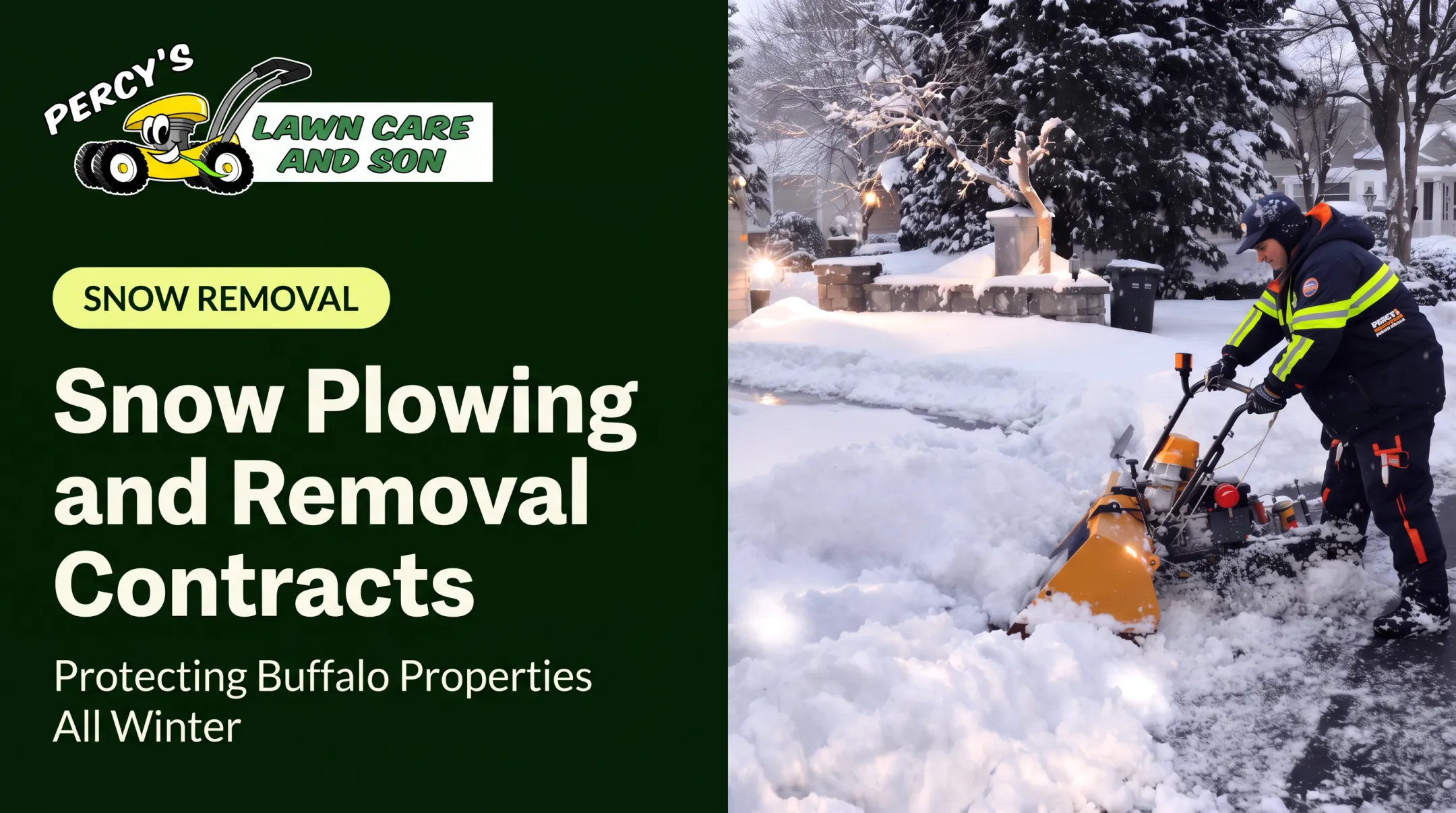
For homeowners in Buffalo, Amherst, Cheektowaga, West Seneca, and Lackawanna, Percy's Lawn Care and Son offers driveway plowing, sidewalk clearing, and de-icing as one-time or seasonal services. The family-owned company has served the area since 1999.
Homeowners can call +1 (716) 245-5296 or email hello@percyslawncare.com to ask about current availability, service areas, and pricing. There's no automatic senior-priority guarantee, so ask directly what scheduling options exist.
How to Choose and Arrange Reliable Help
Whether you are hiring a company or arranging help from a neighborhood teenager for an older relative, a few basic checks protect against disappointment—or a no-show during a blizzard.
Contractor Screening Checklist
Before agreeing to anything:
- Verify the business: name, address, and phone number, not just a truck with a logo
- Request a written estimate that spells out scope and price
- Ask about insurance in case of property damage or injury
- Check recent reviews from actual local customers
- Confirm equipment fit: a residential plow truck shouldn't handle a tight, obstacle-filled walkway
Questions to Ask Before Signing
- What snowfall amount triggers a visit: 2 inches, 4 inches, or another threshold?
- Is service automatic, or does the customer need to call each time?
- Are steps, ramps, and entrances included, or just the driveway?
- How does the company handle refreezing after a second storm hits the same week?
- Is ice treatment included, or billed separately?
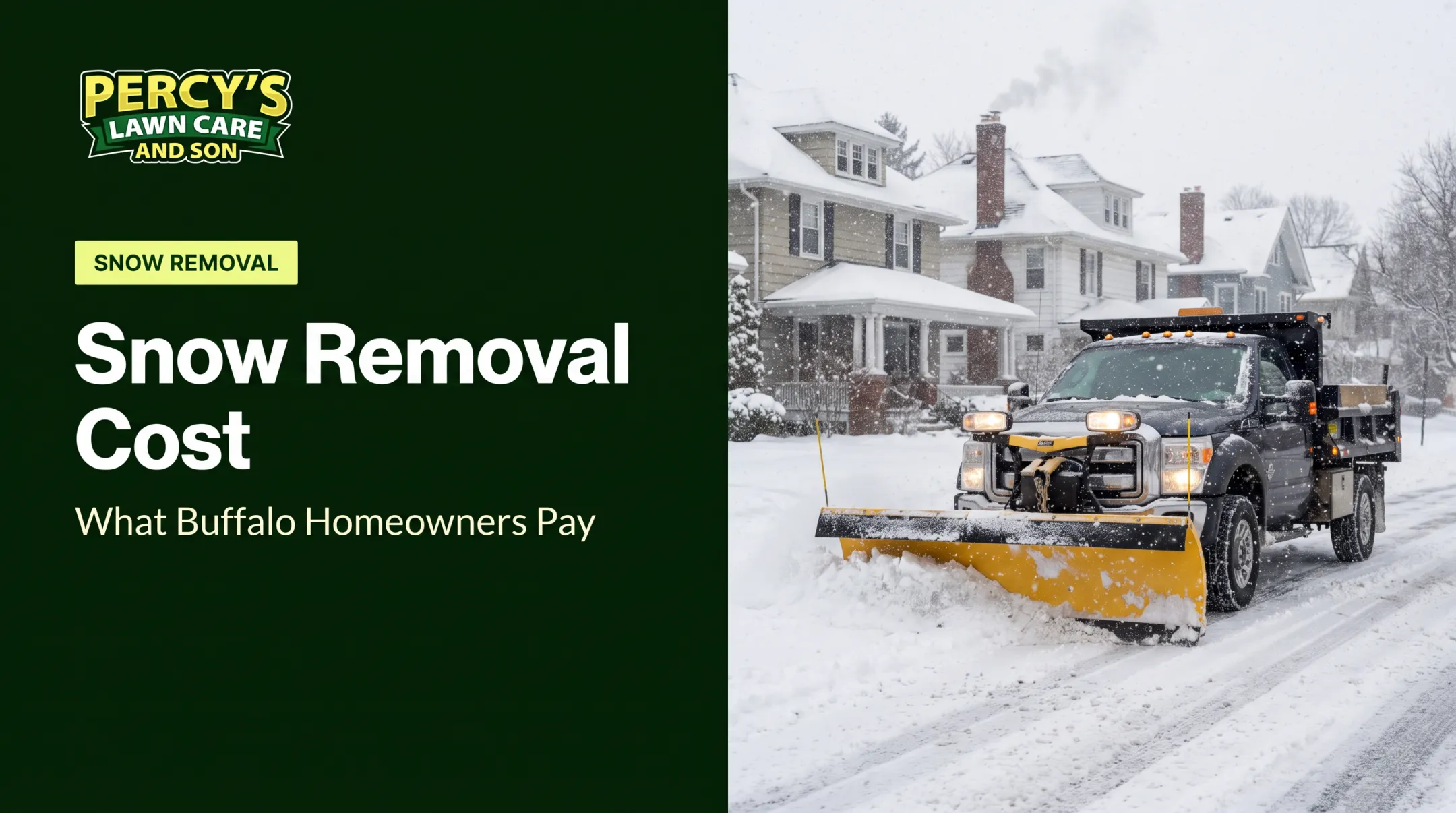
Those scope answers shape the bid. Pricing varies by property size, snow depth, frequency, and per-visit vs. seasonal billing. Industry benchmarks put per-visit snow removal between $51 and $203, with seasonal contracts ranging $300 to $700. Local quotes for your property still beat any national average.

Red Flags to Watch For
Watch for storm-chaser warning signs:
- Unsolicited door-to-door offers right after a storm
- Pressure to pay the full season upfront in cash
- Vague promises with no written terms
- Quotes that seem unusually low compared to others
- Refusal to confirm insurance coverage
Get the arrangement in writing. At minimum, lock down:
- Service area and scope (driveway, walks, steps, ramps)
- Response window after snowfall
- Price and billing terms
- Cancellation policy
- Who to call if a visit gets missed
A short phone call or walkthrough helps the provider spot gates, drainage areas, delicate landscaping, and where piled snow should go.
Prepare a Senior's Property for Winter
Clearing snow only works if the right areas stay prioritized. Before the season starts, identify:
- The main entrance and driveway or pickup zone
- Steps, handrails, and ramps
- Mailbox and trash pickup routes
- Any path used by caregivers or emergency responders
Mark hidden hazards such as drain covers, sprinkler heads, and uneven pavement before the first snowfall buries them. Move hoses, garden tools, and parked vehicles out of the way so they don't block clearing equipment.
Ice treatment matters as much as clearing. Ask whether it's included in your service. Most rock salt loses effectiveness below 15°F, so shaded, icy spots may need a different product or extra attention.
Keep traction aids, a flashlight, a charged phone, and emergency contacts within easy reach all winter. Skip the ladder: heavy roof snow and ice dams are a job for trained professionals, not a DIY project.

Frequently Asked Questions
What is the average cost for snow removal?
Cost depends on property size, snowfall amount, frequency, and whether you choose per-visit or seasonal pricing. Expect $51 to $203 per visit or $300 to $700 for a full season, but get a current local written estimate for accuracy.
Can I hire someone to plow my driveway?
Yes, homeowners can hire a snow removal contractor for driveway plowing. Confirm what snowfall triggers service, whether repeat storms are covered, proof of insurance, and get pricing in writing before the season starts.
Who shovels snow for seniors?
Seniors can use local government programs, senior centers, disability services, student or volunteer shovelers, neighbors, family, and professional snow removal companies. Availability and eligibility vary by city and county.
Where can seniors get free or low-cost snow removal?
Most cities do not shovel private driveways for free, but aging offices, 211 helplines, senior centers, and volunteer programs often connect residents with help. Call your local aging services office for current options in your area.
At what age should you stop shoveling?
There's no universal cutoff age. Health, balance, cardiovascular risk, medications, and snow conditions matter more than age alone. If shoveling feels strenuous or unsafe, that's the signal to arrange help, regardless of age.