Introduction: Hardscape vs. Softscape — Two Sides of the Same Yard
Every outdoor space is built from two fundamental categories: hardscape (non-living structural elements like patios and walkways) and softscape (living organic elements like lawns and shrubs). Knowing how they work together — and when they're out of balance — is what separates a yard that looks great from one that just looks like effort.
For many Buffalo homeowners, the problem shows up in one of two ways. Some yards feel cold and uninviting — bare concrete and stone that radiate heat in summer and look stark against winter snow. Others are a constant maintenance battle: overgrown, time-consuming, and always one week away from looking neglected.
Both problems trace back to the same root cause: an imbalance between hardscape and softscape.
This guide will define each category, explain how they differ, and offer practical balancing strategies with specific considerations for Buffalo's harsh winters, freeze-thaw cycles, and salty road conditions.
Key Takeaways
- Hardscape includes patios, walkways, and walls; softscape includes lawns, shrubs, and flowers
- Hardscape provides structure and low daily maintenance; softscape delivers beauty and environmental benefits
- Install hardscape first to create your yard's framework, then layer softscape around it
- Buffalo homeowners need frost-resistant materials and salt-tolerant native plants
- Aim for roughly 30–40% hardscape and 60–70% softscape for balance
What Is Hardscape? The Structural Backbone of Your Landscape
Hardscape refers to the non-living, man-made components of a landscape: permanent or semi-permanent elements built from materials like stone, brick, concrete, wood, and metal. These features provide structure, organization, and usability to outdoor spaces — and unlike plants, they hold their form through every season.
Hardscape Examples and Features
Common hardscape features include:
- Patios and decks - Create outdoor living and entertaining space
- Driveways and walkways - Provide access and guide movement through the property
- Retaining walls - Control erosion, manage grading, and create level planting areas
- Fences - Define boundaries and provide privacy
- Water features and fire pits - Add ambiance and entertainment value
- Pergolas and gazebos - Offer shade, structure, and vertical interest
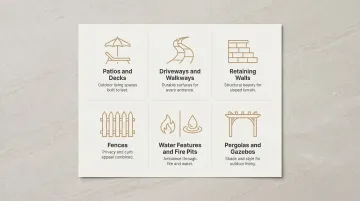
Hardscape creates defined zones, keeps properties accessible year-round, and holds visual interest through Buffalo's long winters when plants go dormant. That last point matters more here than in most climates.
Pros and Cons of Hardscape
Advantages:
- Concrete pavers last 30+ years; natural stone can exceed 100 years with proper installation
- No mowing, watering, or pruning — daily maintenance is minimal
- A new patio recovers 95% of costs at resale, according to the National Association of REALTORS® 2023 Remodeling Impact Report
- Properly designed hardscape manages water flow and reduces erosion
- Maintains visual structure through dormant seasons
Drawbacks:
- Upfront costs are significant — new patios average $10,500, wood decks around $16,900
- Large paved surfaces can reach 120–150°F in summer, contributing to urban heat islands
- Ongoing maintenance is still required: sealing, crack repair, and joint sand replenishment over time
What Is Softscape? The Living Elements That Bring a Yard to Life
Softscape encompasses all the living, organic components of a landscape—trees, shrubs, flowers, grasses, ground covers, and soil. These elements provide color, texture, seasonal interest, and critical environmental benefits that hardscape alone cannot deliver.
Softscape Examples and Features
Core softscape categories include:
- Lawn areas that serve as the primary green canvas connecting landscape elements
- Flower beds and seasonal blooms for annual and perennial color
- Trees and shrubs that provide shade, privacy, structure, and wildlife habitat
- Ground cover plants that fill gaps, reduce erosion, and minimize maintenance
- Climbing vines that soften vertical structures like fences and pergolas
- Edible plants and herb gardens that combine beauty with function
Unlike static hardscape, softscape changes constantly. It grows and blooms in cycles, requiring ongoing planning to maintain visual interest year-round: spring bulbs, summer perennials, fall foliage, and evergreen structure in winter. Unlike static hardscape, softscape changes constantly. It grows and blooms in cycles, requiring ongoing planning to maintain visual interest year-round: spring bulbs, summer perennials, fall foliage, and evergreen structure in winter.
That dynamic quality is softscape's biggest strength—and its biggest demand. Here's how the tradeoffs break down.
Pros and Cons of Softscape
Advantages:
- Delivers dynamic, changing visual interest through seasonal cycles
- Trees lower surface temperatures by 20-45°F through shade and evapotranspiration
- Native plants support pollinators and local wildlife habitat
- Shade trees reduce cooling costs during hot summers
- Plantings can be updated annually without major renovation
Drawbacks:
- Requires consistent upkeep: mowing, pruning, watering, fertilizing, and seasonal replanting
- Vulnerable to winter desiccation, drought, and salt damage—especially in climates like Buffalo's
- Plant selection demands knowledge of local soil, sun, and drainage conditions
- Maintenance costs add up over the season without a reliable care schedule in place
Key Differences Between Hardscape and Softscape
| Aspect | Hardscape | Softscape |
|---|---|---|
| Material Type | Inorganic (stone, concrete, wood, metal) | Living organisms (plants, grass, trees, soil) |
| Maintenance | Low daily; periodic repairs (sealing, joints) | Ongoing and regular (mowing, watering, pruning) |
| Permanence | Fixed and stable; changes only through renovation | Constantly growing, changing with seasons |
| Primary Function | Structure, access, usability | Aesthetics, environment, wildlife support |
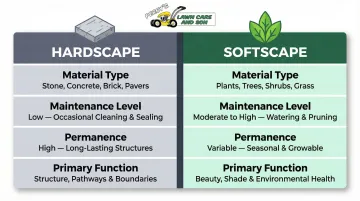
Beyond those differences in material and maintenance lies a practical relationship: hardscape goes in first and sets the framework everything else works around. Patios, paths, and retaining walls establish where people move and gather; plantings, lawn, and garden beds then fill in the character, color, and life within that structure.
Neither element is inherently superior. A yard with only hardscape feels sterile and industrial. Only softscape? You get beauty without function — and a maintenance workload that compounds fast without defined edges or access points. The goal is intentional integration of both.
How to Balance Hardscape and Softscape in Your Landscape Design
Most well-designed residential landscapes aim for softscape to occupy the majority of the space—typically 60-70%—with hardscape features providing structure without dominating. The American Society of Landscape Architects recommends a maximum of 30% hardscape to 70% softscape to maintain ecological balance.
The right ratio depends on how you use your yard. Those seeking minimal maintenance may lean more toward hardscape, while avid gardeners typically prefer more planting beds — and both approaches can work beautifully with the right planning.
Start with a Clear Design Vision
Before selecting a single plant or paver, assess how you actually use your outdoor space:
- Do you need a patio for entertaining?
- Is a clear path from driveway to front door a safety priority?
- Do children need a defined play area?
These functional needs should drive hardscape placement. Softscape is then layered in to soften edges, add privacy, and create visual appeal around those structures.
Use Softscape to Soften Hardscape Edges
Specific integration techniques prevent hardscape from looking harsh:
- Border patios with flowering perennials like coneflower or black-eyed Susan
- Plant shrubs or ornamental grasses along retaining walls to break up solid lines
- Fill gaps between stepping stones with ground cover (allow at least 6 inches of soil depth and 2-inch gaps for roots)
- Train climbing vines onto pergolas or fences for vertical interest
Mixing annuals for seasonal color with perennials for returning structure gives you visual variety without starting from scratch each spring.
Hardscape and Softscape Considerations for Buffalo Homeowners
Buffalo's Zone 6b climate presents unique challenges. The region experiences significant freeze-thaw cycles, heavy snow (95.4 inches annually), and road salt exposure—all of which demand thoughtful material and plant selection. The sections below address each element separately, since hardscape and softscape respond to these conditions in very different ways.
Hardscape: Frost-Resistant Materials and Proper Installation
Freeze-thaw cycles cause cracking in improperly installed concrete and pavers. The Interlocking Concrete Pavement Institute recommends base depths of 6-10+ inches for Buffalo's climate—significantly thicker than standard installations.
For Buffalo conditions specifically:
- Use natural stone or properly installed pavers with adequate base depth
- Seal concrete and pavers annually before winter
- Design walkways and driveways wide enough for snow removal equipment
- Plan for salt runoff and drainage away from sensitive plantings
Softscape: Cold-Hardy, Salt-Tolerant Native Plants
Road salt creates drought-like conditions by blocking roots from absorbing moisture, so plants near driveways and sidewalks need genuine salt tolerance to make it through a Buffalo winter.
| Category | Species | Benefits |
|---|---|---|
| Salt-Tolerant Evergreens | Eastern Red Cedar, Blue Spruce | Shields sensitive plants from salt spray |
| Native Perennials | Purple Coneflower, Black-eyed Susan | Cold-hardy, supports pollinators |
| Native Grasses | Switchgrass, Little Bluestem | Deep roots, provides winter interest |
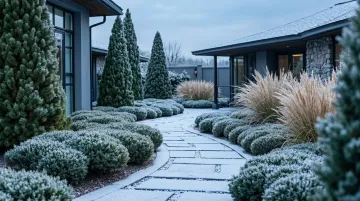
Avoid near salt exposure: Red Maple, Sugar Maple, Pin Oak, Littleleaf Linden—all highly salt-sensitive.
Percy's Lawn Care and Son has been navigating Buffalo's conditions since 1999. From plant selection to seasonal cleanup, the team helps homeowners build softscape designs that hold up through winter and look their best come spring.
Frequently Asked Questions
What are the 4 types of landscapes?
The four commonly referenced landscape types are natural landscapes (wilderness areas), agricultural landscapes (farms and ranches), urban landscapes (cities and developments), and designed/managed landscapes. Residential yards fall under the designed category.
What is an example of a softscape?
Common softscape examples include a lawn, a flower bed, a shade tree, or a row of hedges. Any living plant element in your yard qualifies as softscape.
What is the least expensive hardscape?
Gravel pathways and compacted gravel beds are among the most affordable hardscape options at $1–5 per square foot. Basic concrete stepping stones also offer budget-friendly alternatives compared to poured patios or natural stone walls.
Should you plan hardscape or softscape first?
Always plan and install hardscape first. It forms the structural framework of your yard, and changing it after softscape is established is costly and disruptive. Softscape is then layered around hardscape to complement the design.
What is a good hardscape to softscape ratio for a residential yard?
While no strict rule exists, a common guideline is roughly 30–40% hardscape and 60–70% softscape. Adjust based on your lifestyle: low-maintenance preferences may justify more hardscape, while gardening enthusiasts typically prefer more planting space.
How does Buffalo's climate affect hardscape and softscape choices?
Buffalo's freeze-thaw winters require durable, frost-resistant hardscape materials with proper base installation and sealing. Softscape must feature cold-hardy, salt-tolerant plants. Working with a local professional familiar with Zone 6b conditions helps avoid costly mistakes and plant losses.