
Here's the good news: creating a beautiful front yard doesn't require a design degree or a massive budget. According to the National Association of Realtors, 92% of real estate agents recommend improving curb appeal before listing a home, and 97% believe it's important in attracting buyers. In Buffalo, where winters can be brutal, a well-designed front yard makes a strong first impression the moment the snow melts—and it keeps delivering value year after year.
This guide covers everything you need to know: planning your layout, design principles that create cohesion, popular landscaping styles, plant selection for Zone 6b, hardscape options, and low-maintenance strategies that keep your yard looking great without becoming a second job.
Key Takeaways
- Sketch your yard, note sun patterns, and use a garden hose to map bed shapes before you dig
- Apply proven design principles: proportion, balance, rhythm, and focalization create professional-looking yards
- Choose Zone 6b plants suited to Buffalo's climate; native species need less upkeep and support local pollinators
- Balance hardscape (walkways, edging, boulders) with softscape (plants) for year-round visual interest
- Mulch annually, group plants by water needs, and keep lawn edges crisp for a low-maintenance, polished look
Plan Before You Plant: How to Map Your Front Yard Layout
The biggest mistake homeowners make is skipping the planning phase and heading straight to the nursery. You buy plants that look good, dig a few holes, and six months later you're moving everything.
The "part shade" hosta is scorched in full sun. The walkway feels cramped. The beds look random instead of intentional.
Planning saves you money, time, and the frustration of relocating mature plants. Here's the right sequence:
Core Planning Steps:
- Sketch your property outline: Mark permanent features — driveway, walkway, foundation, existing trees, utility boxes
- Take measurements: Record distances between features and window/door locations for sightlines
- Transfer to graph paper: Build a scaled master copy (1/4 inch = 1 foot works well for most yards)
- Lay tracing paper overlays on top: Test different layouts without touching the master
Observe Sunlight Patterns
Watch your yard for a full day before making any decisions. Morning sun differs dramatically from afternoon sun—many shade-tolerant plants can handle morning sun but not the intense afternoon heat. Full sun means 6+ hours of direct sunlight, partial sun is 4-6 hours, partial shade is 2-4 hours, and shade is less than 2 hours. Note these zones on your sketch.
Visualize Before You Dig
Use a garden hose or rope to lay out the actual shape of proposed beds. Walk around it. View it from the street, from your windows, from the neighbor's perspective. This step helps you:
- Estimate plant quantities accurately
- Decide between curved edges (softer, more forgiving) vs. straight lines (modern, formal)
- Adjust scale before any sod is removed
Curved beds naturally soften a home's hard angles and suit traditional or cottage-style homes. Straight-edged beds complement contemporary or ranch-style architecture.
Once your layout feels right, the next decision is how much to tackle at once.
Phasing Your Project
Don't try to complete everything in one season. Breaking the work into phases keeps costs manageable and reduces the pressure of a massive project.
- Start with trees and large shrubs — they take the longest to establish and set the structural framework for everything else
- Add perennials and groundcovers in subsequent seasons once the canopy is taking shape
- Fill in with annuals and seasonal color after the foundation planting is mature

Mulch bare beds between phases — it makes an immediate visual impact, cuts down on weeds, and protects soil while plants establish.
The Design Principles Behind Every Beautiful Front Yard
Great front yards aren't random. They follow principles that create visual harmony, even when the homeowner doesn't consciously know the rules.
Proportion
Plants and structures should feel scaled to the size of the home and yard. A small front yard needs compact, low-growing plants. A larger home can accommodate taller trees and bolder schemes. Oversized elements on a small yard make the home look smaller, not more impressive.
Balance and Unity
Balance means visual weight feels even across the yard — not necessarily identical plantings on both sides (though symmetry works beautifully for formal designs). Unity comes from repeating plant varieties, colors, or forms throughout the design. Using one of everything is a common beginner mistake that makes a yard feel scattered rather than cohesive.
Rhythm and Repetition
Mass-plant perennials in groups of 3, 5, or more odd numbers rather than scattered singles. This creates a calming, professional look. Repeating the same plant further down a bed creates rhythm and draws the eye forward.
Focalization
Every great front yard has at least one focal point — a specimen tree, a well-placed boulder, a water feature, or a bold planting bed that anchors the design. Paths, edging, and surrounding plant placement all work together to guide the viewer's eye there naturally.
Texture and Color
Getting texture and color right is what separates a good front yard from a great one:
- Mix fine-textured plants (ornamental grasses) with coarser ones (hostas, shrubs) to add depth
- Use warm colors — reds, oranges, yellows — near entrances, since they visually advance toward the eye
- Use cool colors (blues, greens) to make a small yard feel more spacious
- Limit your palette to 2-3 colors to keep the design cohesive

Front Yard Landscaping Ideas for Every Style and Budget
Front yards don't follow one template. The best design reflects your home's architecture, your lifestyle, and how much ongoing maintenance you're willing to do.
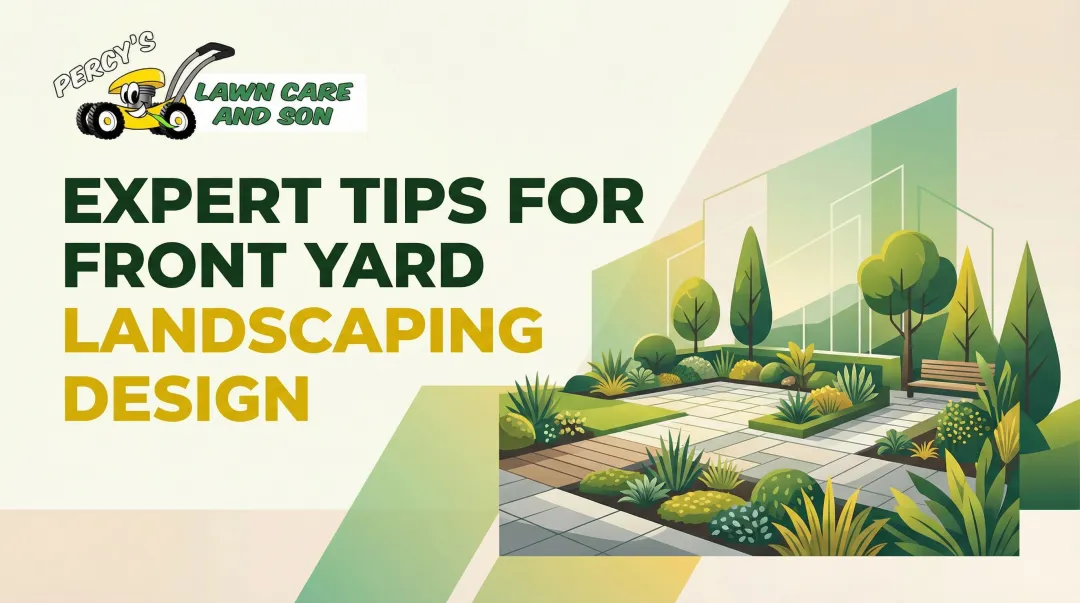
Foundation Planting and Layered Flower Beds
Foundation beds along the house follow a simple layering principle:
- Back layer (near foundation): Taller shrubs and ornamental trees
- Middle layer: Mid-height perennials
- Front edge (near lawn): Low-growing plants or groundcover
This layered approach gives the yard a designed, intentional feel even on a modest budget. Mulching is the finishing touch that pulls it all together.
Bed shape matters: Curves naturally soften a home's hard angles and are more forgiving to maintain. Straight-edged beds suit contemporary or ranch-style homes. Think about what feels consistent with your architecture.
Cottage Garden Style
Cottage gardens are the most relaxed and colorful option: a mix of flowering perennials, climbing vines on fences or trellises, and groundcovers planted close together for dense, layered color. Local and native species thrive in this style and require less supplemental water once established.
The tradeoff: Cottage gardens look effortless but require regular maintenance: deadheading, dividing, and pruning. They're best for homeowners who enjoy spending time in the garden, not those looking for a totally hands-off yard.
Modern and Minimalist Designs
Modern front yards rely on clean geometric lines, symmetrical plantings, limited plant variety, and hardscape materials (concrete pavers, gravel, steel edging) used as primary design elements. Ornamental grasses work especially well as a textural replacement for traditional shrubs.
Low-maintenance bonus: Modern designs rely on structure rather than abundance. Fewer plant varieties means less to manage seasonally.
Rock Gardens and Natural Landscapes
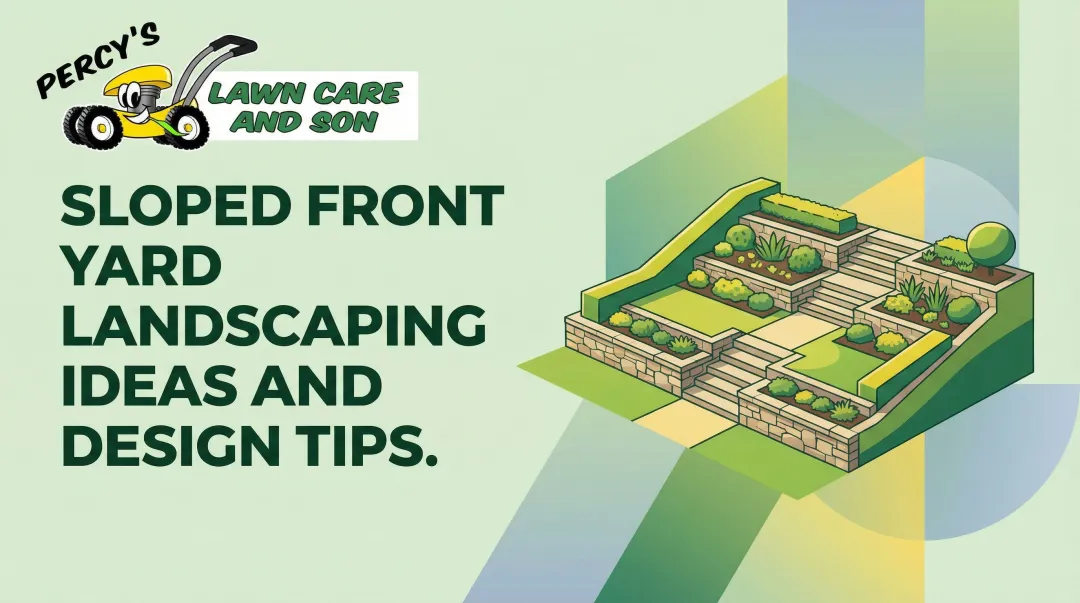
Rock gardens and naturalistic designs work well for yards with slopes, poor drainage, or where water conservation is a priority. Boulders, river rock, and groundcover plants create visual interest that requires minimal watering and almost no mowing.
This style pairs especially well with drought-tolerant plants and native species. Common choices include:
This style pairs especially well with drought-tolerant plants and native species. Common choices include:
- Sedum and creeping thyme for groundcover
- Russian sage or ornamental grasses for height
- Native wildflowers for seasonal color
Sourcing rock locally keeps costs down, and the minimal upkeep makes it one of the more budget-friendly options over time — whether you install it yourself or bring in a pro.
Choosing the Right Plants for Your Climate and Conditions
Understand Your Zone
Buffalo, NY falls in USDA Zone 6b, meaning plants must be hardy to at least -5°F to 0°F to survive winter. Always verify zone hardiness on plant tags before purchasing—some nursery stock is borderline and may not survive a harsh winter.
Perennials vs. Annuals
Perennials come back yearly and are a better long-term investment. Annuals provide seasonal color but require replanting. Build a foundation of zone-appropriate perennials and shrubs, then supplement with annuals in containers for seasonal pops of color without major replanting effort. For that foundation, native plants are often the smartest starting point.
Native Plants for Buffalo
Native plants adapted to western New York's soil and rainfall patterns offer real advantages over generic nursery stock:
- Require less supplemental watering and fertilizing once established
- Support local pollinators, birds, and beneficial insects
- Withstand Buffalo winters without special protection
The table below covers proven performers for Zone 6b front yards across Buffalo and the surrounding area.
Zone 6b Front-Yard Plant Examples:
| Common Name | Light Requirement | Notes |
|---|---|---|
| Little Bluestem | Full sun | Drought tolerant; copper/gold fall color |
| Serviceberry | Full sun to part shade | Early spring white flowers; vivid fall colors |
| Red Maple | Full sun to light shade | Adaptable; excellent fall color |
| Inkberry | Sun to part shade | Evergreen; drought tolerant |
| Summersweet | Sun to shade | Fragrant summer flowers; tolerates wet soils |
| Hosta | Part shade to shade | Striking foliage; needs well-drained soil |
| Christmas Fern | Part shade to shade | Evergreen fronds; excellent for slopes |

Hardscape Features That Add Structure and Curb Appeal
Hardscaping refers to the non-living elements of a landscape — walkways, pavers, edging, boulders, retaining walls, and water features. A well-designed front yard balances these structural elements with plants and lawn to create visual depth year-round.
Hardscape creates structure and year-round visual interest even when plants aren't in bloom—especially valuable in Buffalo's shorter growing season.
High-Impact Hardscape Elements
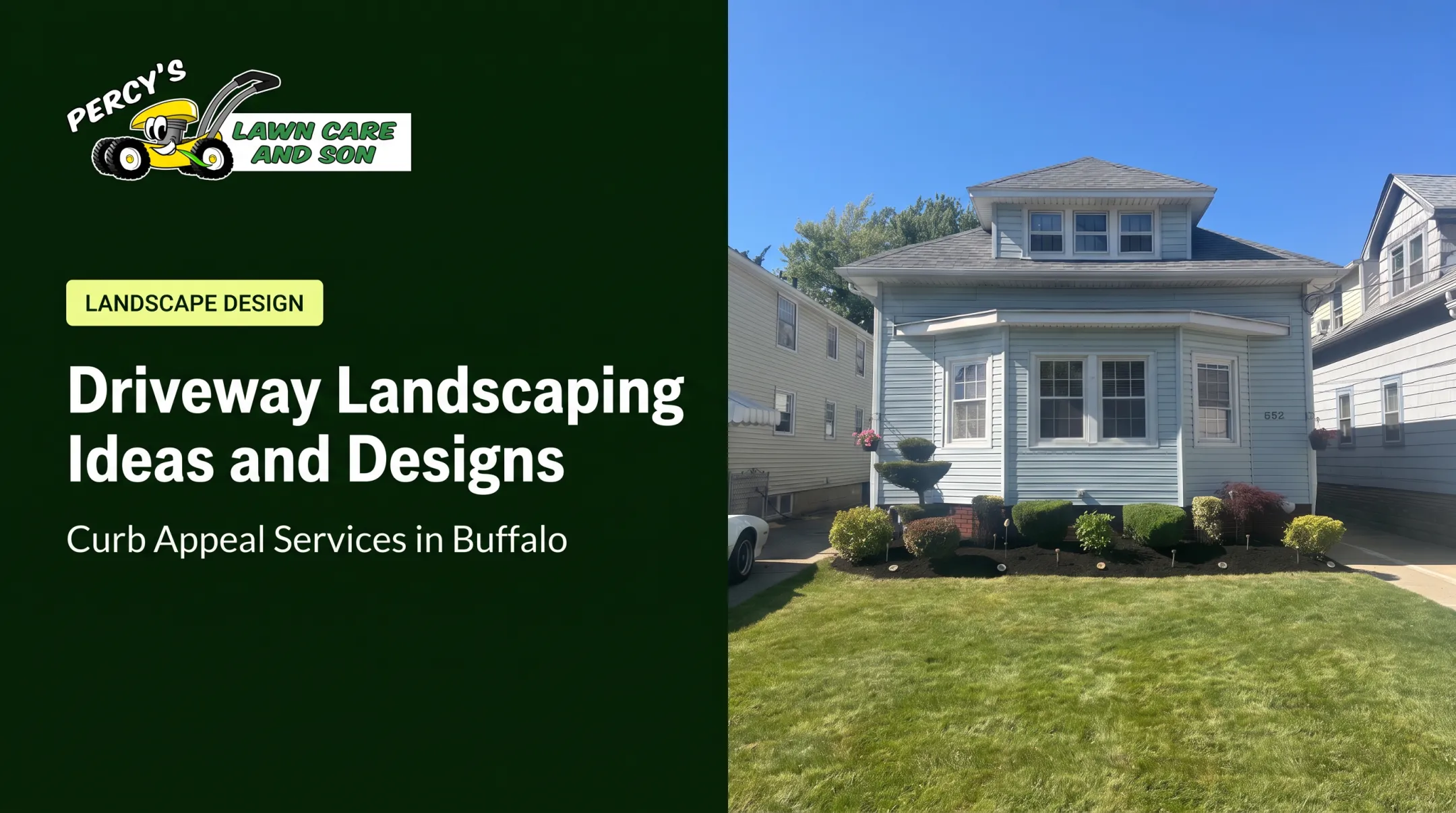
- Curved walkways: A stone or paver path from street to door creates immediate curb appeal. In Buffalo's freeze-thaw climate, interlocking pavers are often recommended over rigid concrete because their modular design absorbs ground shifts without cracking.
- Garden edging: Steel or stone edging prevents grass from creeping into beds and creates a crisp visual boundary — even basic plantings look intentional and well-kept.
- **Accent boulders and river rock**: Break up large planting areas, anchor a focal point, or swap high-maintenance plantings for low-maintenance ground cover.
Landscape Lighting
Path lighting along walkways improves safety and security. Lighting reveals terrain, curbs, and boundaries, creating a safer, less hazardous pedestrian experience. Uplighting on trees or architectural shrubs extends curb appeal into the evening hours.
Low-Maintenance Landscaping Tips to Keep Your Yard Looking Great
High-Impact Low-Maintenance Habits
Mulch Annually
Apply 2-4 inches of mulch around trees and shrubs to suppress weeds, retain moisture, and give beds a finished appearance. Keep mulch 3-4 inches away from plant stems and tree trunks to prevent rot.
Choose Slow-Growing Shrubs
Slow-growing varieties like boxwood or inkberry need pruning once or twice a year at most — far less demanding than fast-growing plants that can outgrow their space within a single season.
Group Plants by Water Needs (Hydrozoning)
Group plants with similar water requirements together to simplify irrigation. Place drought-tolerant plants in one zone and moisture-loving plants in another. This prevents overwatering and promotes healthier root systems.
The Role of Lawn Care
A well-edged, healthy lawn sets the stage for everything else in the front yard. Crisp edges between lawn and planting beds make even simple landscaping look professional. A patchy or weed-filled lawn undermines even the most thoughtfully designed beds.
Keeping up with these habits takes consistent effort — and that's where many homeowners fall behind. A few key lawn care tasks make the biggest impact:
- Mowing at the right height keeps grass thick enough to crowd out weeds
- Seasonal cleanups remove debris that harbors pests and disease over winter
- Regular edging gives beds and walkways a defined, polished look year-round

For Buffalo homeowners who'd rather spend weekends enjoying their yard than maintaining it, Percy's Lawn Care and Son has handled exactly that since 1999. Percy's serves the Buffalo area with lawn maintenance and landscaping tailored to the local climate — from spring cleanups through fall prep and everything in between.
Frequently Asked Questions
How do I start landscaping my front yard from scratch?
Sketch your property, note permanent features, and observe sunlight patterns throughout the day. From there, build a zone-appropriate plant list, starting with trees and large shrubs before adding perennials.
What plants work best for front yard landscaping in Buffalo, NY?
Buffalo is Zone 6b, so choose cold-hardy perennials and shrubs such as ornamental grasses, hostas, coneflowers, and native species like serviceberry and little bluestem. In Buffalo's climate, natives and cold-hardy varieties consistently outperform plants that look appealing at the nursery but struggle through Zone 6b winters.
How do I landscape my front yard on a budget?
Choose perennials over annuals for better long-term value, buy smaller plants and let them establish over time, source rock locally when possible, and phase the project over multiple seasons rather than doing everything at once.
What is the difference between hardscape and softscape?
Hardscape refers to non-living elements like pavers, edging, boulders, walls, and lighting. Softscape includes living elements like lawn, plants, trees, and shrubs.
How much sun does my front yard need for landscaping?
Sun requirements vary by plant type. Most flowering perennials need 6+ hours of direct sun, while shade-tolerant plants like hostas and ferns work in low-light areas. Observe your yard throughout the day before selecting plants.
Should I hire a professional landscaper or do it myself?
DIY works well for most planting and bed work. For larger projects or if you're unsure what survives Buffalo winters, a local professional can prevent costly plant loss and get the job done faster.