Introduction
Many townhouse owners look at their narrow front yards and see limitations—maybe 10 feet wide, flanked by sidewalks and neighboring properties, with barely enough room for a few shrubs. A small front yard is actually an advantage in disguise. Compact spaces force intentional choices with every plant, every pathway material, and every color—and that precision produces curb appeal that feels polished, not cluttered.
Buffalo's climate adds another layer of complexity. You're not just designing for May—you're designing for 95 inches of annual snowfall, 49 freeze-thaw cycles, and long stretches of winter gray.
This guide covers everything that makes small townhouse front yards work year-round: plant selection, design principles, hardscaping, seasonal color, and Buffalo-specific tips that prevent wasted money and replanting every spring.
TLDR
- Choose plants by mature spread, not container size—vary height and texture for visual depth
- Apply symmetry, layered planting (tall-to-low), and a single focal point to make tight spaces feel intentional
- Add pathways and window boxes for structure without overwhelming the planting beds
- In Buffalo's Zone 6b climate, prioritize cold-hardy, four-season plants so your curb appeal survives harsh winters
Choosing Plants That Work Hard in a Small Townhouse Front Yard
Plant selection is the single most critical decision for small front yards. A plant that's too large can overwhelm the entire space within a few seasons, blocking windows and crowding the walkway. The right plant at mature size, by contrast, creates a polished look that doesn't require constant pruning or removal. Before buying anything, check its mature height and spread on the tag or through a quick online search—not the size it is now in the container.
Dwarf varieties deliver full impact without the overgrowth. Dwarf arborvitae like 'Emerald Green' (Thuja occidentalis 'Smaragd') reaches 12-14 feet tall but only 3-4 feet wide, making it ideal for narrow foundation beds. Compact hydrangeas like 'Bobo' (Hydrangea paniculata 'Bobo') stay under 3 feet tall and wide, fitting neatly without blocking sightlines. Knock Out roses, hardy to Zone 5, bloom continuously from spring until frost—season-long color in a compact package.
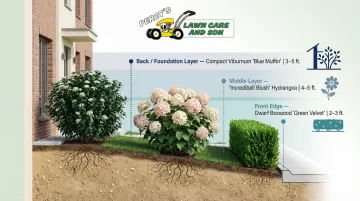
Layering plant heights creates depth without requiring more square footage. Place a tall shrub near the foundation, mid-height flowering shrubs in the middle, and low-growing ground covers or perennials at the front. This progression draws the eye upward and inward, making the yard feel deeper than it is.
A simple three-layer example for Buffalo-area townhouses:
- Front edge: Dwarf boxwood (Buxus 'Green Velvet'), 2-3 feet tall, as low walkway edging
- Middle layer: 'Incrediball Blush' hydrangea, 4-5 feet, for summer color
- Back/foundation: Compact viburnum 'Blue Muffin', 3-5 feet, for structure and fall berries
Evergreens are the backbone of any small-yard planting plan. In Buffalo, where winter runs from November through March, perennials die back and leave yards looking hollow for months. Dwarf arborvitae, dwarf boxwood, and 'Sky Pencil' holly (Ilex crenata 'Sky Pencil') hold their color and structure through heavy snow and freeze-thaw cycles, keeping your yard looking intentional even in January.
Mixing textures adds visual richness without adding square footage. Feather Reed Grass (Calamagrostis x acutiflora 'Karl Foerster') has a fine, upright quality that contrasts sharply with broad-leafed evergreens and rounded flowering shrubs. That contrast is what makes a small yard feel designed rather than just planted.
Design Principles That Make a Small Townhouse Front Yard Look Bigger
Symmetry Creates Instant Balance
Symmetry is one of the most powerful design tools for small townhouse yards. Placing matching planters, shrubs, or flower beds on each side of the front walkway or door creates a sense of balance and intentionality that makes even a 10-foot-wide yard look polished. Symmetry works especially well for traditional Buffalo rowhouse and townhouse styles, where the more formal architecture suits a structured landscape.
Give the Eye Somewhere to Land
A single focal point—a small ornamental tree, a bold container arrangement, or a distinctive front door color—pulls attention and anchors the whole yard. Without a focal point, small yards often look cluttered or unfinished. It should be the first thing visitors notice, guiding their attention toward the entry.
A Wider Walkway Makes the Yard Feel Larger
A clearly defined pathway makes the entry feel intentional and the yard more spacious. If your walkway widens slightly near the door, it creates a welcoming transition zone.
For Buffalo's freeze-thaw climate, choose materials rated for frost heave resistance. Brick pavers, flagstone, or concrete with a minimum compressive strength of 8,000 psi and water absorption under 5% hold up best through repeated freeze-thaw cycles.
Warm Colors Up Front, Cool Colors at the Edges
Color temperature affects spatial perception. Warm colors (yellows, reds, oranges) visually advance and draw attention, while cool colors (blues, purples, whites) recede and make the front yard read as larger than it is. Plant warm, bright colors closest to the entry to pull visitors' eyes inward and upward toward the house. Use cool colors along the perimeter to add visual depth.
Resist the Urge to Fill Every Inch
In a small space, areas of clean mulch, ground cover, or bare lawn aren't wasted—they're essential. Negative space lets each plant be noticed on its own terms. Overplanting is one of the most common mistakes in small front yards, and it usually leads to:
- Shrubs crowding each other out within 2-3 seasons
- Visual clutter that makes the yard feel smaller
- Costly removal and replanting when plants outgrow the space
- Loss of the clean sightlines that give a yard its finished look
Hardscaping Touches That Add Big Impact Without Taking Over
The right hardscape-to-softscape ratio matters. Hardscaping should define the space and improve function, but too much of it removes the greenery that softens a home's exterior. In a small townhouse yard, keep planted areas dominant—they're what make the space feel welcoming rather than paved over.
Two high-impact, low-footprint hardscape additions:
Window boxes add color and lushness at eye level without using any ground space. They extend the planted area vertically, making the facade feel more complete. Use frost-proof materials like fiberglass, metal, or heavy plastic—avoid terra cotta, which cracks during freeze-thaw cycles. Ensure drainage holes are drilled to prevent waterlogging.
Landscape lighting along the pathway extends the yard's beauty into evening hours and adds a safety benefit during icy Buffalo winters. Path lighting improves visibility and directs pedestrian traffic to the entrance after dark.
A styled address number display or mailbox planter rounds out the entry for under $50. Swap flat house numbers for raised metal digits, or tuck a small planter beside the mailbox post—these owner-installed touches are quick weekend projects that sharpen the first impression without requiring any contractor work.
Adding Seasonal Color and Visual Privacy
Four-Season Interest
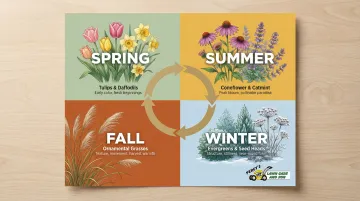
To maintain curb appeal year-round, plan for overlapping bloom windows and winter structure:
- Spring: Bulbs like tulips and daffodils planted 4-6 inches deep beneath shrubs provide early color
- Summer: Long-blooming perennials like coneflower (Echinacea purpurea) and catmint (Nepeta x faassenii) deliver continuous color
- Fall: Ornamental grasses and native shrubs provide texture and color
- Winter: Evergreen shrubs and dried seed heads from perennials maintain structure
Container Gardens for Flexibility
Container gardens near the front door or on steps give townhouse owners flexibility that in-ground plants don't. Containers can be swapped seasonally, moved to maximize light, and used to experiment with color combinations before committing to permanent plantings.
Use self-watering (wicking bed) containers to reduce maintenance — studies show they require 26 irrigation events compared to 40-50 for traditional pots. Drain reservoirs before hard freezes to prevent cracking.
Privacy Without Fencing
Upright shrubs along the property edge create a soft visual screen without requiring a fence. A few practical tips:
- Choose narrow uprights like arborvitae or 'Sky Pencil' holly — they screen well without eating into limited yard space
- Stagger in a zig-zag pattern rather than a straight row — fills in faster, looks more natural, and avoids an obvious gap if one shrub dies
- Space at 50-75% of mature width to form a tight, continuous hedge over time
Landscaping a Small Townhouse Front Yard in Buffalo: What to Keep in Mind
Buffalo's USDA Hardiness Zone shifted to 6b in the 2023 update, but the city still averages 95.4 inches of snow and 49 freeze-thaw cycles annually. This demands plants that can handle harsh winters without constant replanting. Look for plants rated to Zone 5 or lower to provide a safety buffer against anomalous cold snaps.
Cold-hardy plant choices for Buffalo:
- Dwarf arborvitae (Thuja occidentalis 'Emerald Green'): Zone 2-7, retains green color through winter
- Dwarf boxwood (Buxus 'Green Velvet'): Zone 5-8, resists winter bronzing
- Knock Out roses: Zone 5-9, bloom reliably until the first hard frost
- Compact viburnum (Viburnum dentatum 'Blue Muffin'): Zone 3-8, native alternative with spring flowers and fall fruit
- Feather Reed Grass (Calamagrostis x acutiflora 'Karl Foerster'): Zone 5-9, holds its structure through winter for year-round texture
Watch Out for Invasive Species
Euonymus alatus (Burning Bush) is a common landscaping choice — but it's listed as a Regulated Invasive Species under New York State DEC Part 575. Skip it entirely. Compact viburnum is a native, cold-hardy swap that offers comparable visual interest without the ecological risk.
Use Freeze-Thaw Rated Hardscape Materials
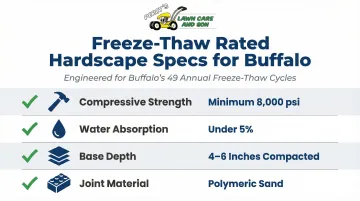
Buffalo's freeze-thaw cycles will crack standard concrete and shift poorly installed pavers within a season or two. When selecting hardscape materials for your front yard, prioritize:
- Compressive strength: Minimum 8,000 psi for any paver, edging, or concrete
- Water absorption: Under 5% to prevent frost heave damage
- Base depth: Well-draining, compacted aggregate at least 4-6 inches thick
- Joint material: Polymeric sand to lock pavers and resist washout
Getting these details right from the start saves significant time and money over the long run. Percy's Lawn Care and Son has worked with Buffalo-area properties since 1999 and can help townhouse owners choose plants and materials that actually hold up through Western New York winters — rather than needing to be replaced each spring.
Frequently Asked Questions
How to add curb appeal to a townhouse?
Townhouse curb appeal comes from combining the right plant selections with intentional design touches. Symmetrical plantings flanking the front door, a clear walkway, window boxes, and seasonal color containers are among the most effective strategies for a small, narrow facade.
How to landscape a very small front yard?
Work with the space rather than against it. Choose dwarf plants, layer heights from back to front, create a clear focal point, and avoid overplanting. Leaving some open space makes your plantings stand out more effectively.
What plants work best for a small townhouse front yard in a cold climate like Buffalo?
Choose cold-hardy options suited to Zone 5. Dwarf arborvitae or 'Sky Pencil' holly provide evergreen structure, Knock Out roses deliver season-long color, ornamental grasses add texture, and spring bulbs bring early-season interest—all reliable performers in Buffalo winters.
How do I create privacy in a townhouse front yard without a fence?
Upright evergreen shrubs like arborvitae or columnar hollies planted in a staggered arrangement along the property line create a living screen. This provides privacy while still looking like thoughtful landscaping rather than a barrier.
Can landscaping improve the value of a townhouse?
Well-maintained front yard landscaping boosts home sale prices by an average of 7%, according to a 2019 peer-reviewed study. The National Association of Realtors reports 100% cost recovery on overall landscape upgrades, making it one of the highest-ROI home improvements.
Should I hire a professional landscaper for my small townhouse front yard or DIY?
DIY works well for simple changes like containers and window boxes. Professional help pays off for planning the full layout and choosing the right plants for your space and climate—especially in Buffalo, where poor plant selections mean wasted money every spring.