
Introduction
Your front yard is more than just a patch of grass—it's the first thing visitors, neighbors, and potential buyers notice about your home. In Buffalo, NY, where harsh winters and variable summers test every landscape, a well-designed front yard makes a powerful statement year-round. Many homeowners feel overwhelmed when starting from scratch, unsure where to begin or which plants will actually survive Western New York's climate extremes.
That's exactly what this guide addresses. Percy's Lawn Care and Son has spent over 25 years serving Buffalo-area homeowners — from Amherst to West Seneca — and our team has learned through experience what thrives in Zone 6b conditions and what doesn't survive the first hard freeze. These are the expert tips we share with every client looking to design a front yard that holds up beautifully through every season.
Key Takeaways
- Planning your design before buying plants prevents costly mistakes and do-overs
- Zone 6b-rated plants survive Buffalo's harsh winters and return stronger each year
- Layering plants by height creates professional polish on modest budgets
- Native perennials, mulch, and defined edging cut down on weeding, watering, and upkeep
- Foundation beds should be 5-6 feet deep to allow proper plant layering
Start With a Clear Front Yard Design Plan
Poor planning causes 70% of landscape design failures, and most of these failures stem from homeowners skipping the most crucial step: mapping out the yard before purchasing a single plant. This leads to overcrowding, wrong plant placement, and expensive removal projects within 3-5 years.
You don't need a professional blueprint. A rough sketch on graph paper or even using a garden hose to map bed shapes transforms results. Spend time observing your yard before spending money at the nursery.
Assess Your Goals and Lifestyle
First, identify how you want to use your front yard. Are you focused purely on curb appeal? Creating a welcoming entry? Maintaining a play-friendly lawn? Or designing for minimal weekend maintenance? These priorities directly determine every design decision that follows.
Be honest about your maintenance capacity:
- A yard requiring constant pruning and watering isn't sustainable for every household
- Designing for realistic upkeep prevents future neglect and deterioration
- Low-maintenance doesn't mean low-quality—it means strategic plant selection
Map Your Yard's Conditions
Track sunlight throughout the day. Note which areas receive morning sun, afternoon sun, or full shade. Plant choices must align with actual conditions, not guesses. Planting shade-lovers in full sun—or vice versa—is one of the costliest and most common errors.
To accurately measure sun exposure, observe your garden every hour starting at 7:00 a.m. and mark which sections have sun or shade:
- Full sun: 6+ hours of direct sunlight
- Partial sun: 4-6 hours of direct sunlight
- Partial shade: 2-4 hours of sunlight
- Shade: Less than 2 hours of sunlight
Assess soil quality and drainage before planting. For Buffalo-area homes, clay-heavy soils and poor drainage near foundations are common issues. Erie County's heavy clay soil doesn't absorb water well, causing water to sit on the surface rather than soak in and creating perpetually wet conditions near foundations.
Address drainage before laying out any beds. Pooling water near a foundation isn't just a plant problem — it's a structural one. Hydrostatic pressure from saturated soil can cause basement wall failure and water intrusion.
Once soil and drainage are accounted for, think through the layout's functional demands:
Consider practical elements:
- The most logical route from driveway to front door
- Whether fences or hedges are needed for privacy or security
- Whether shrubs near windows could eventually block sightlines or light
Choose Plants That Thrive in Buffalo's Climate
Buffalo sits in USDA Hardiness Zone 6b, with average annual extreme minimum temperatures of -5°F to 0°F. Choosing plants rated for Zone 6 or lower is non-negotiable. Plants rated Zone 7 or above may look fine in summer garden centers but will fail after Buffalo's first harsh winter. Always verify hardiness ratings at the nursery before purchasing.
Why native and regionally proven plants make sense:
- Already adapted to Buffalo's climate, soil, and seasonal extremes
- Require less supplemental water once established
- Support local pollinators and ecosystem health
- Perform reliably year after year
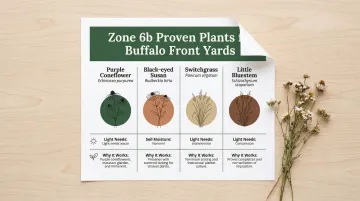
Regionally suited plants for Western New York:
| Plant | Light Needs | Soil Moisture | Why It Works |
|---|---|---|---|
| Purple Coneflower (Echinacea purpurea) | Sun/Part Shade | Average to Dry | Drought-tolerant, attracts pollinators, returns yearly |
| Black-eyed Susan (Rudbeckia hirta) | Sun | Average | Long bloom period, low maintenance, fills in quickly |
| Switchgrass (Panicum virgatum) | Sun/Part Shade | Moist to Average | Turns golden in fall, provides winter interest |
| Little Bluestem (Schizachyrium scoparium) | Sun | Average to Dry | Native grass, stunning fall color, deer-resistant |
Plant Selection by Layer
Start by choosing trees and large shrubs as the backbone. These establish structure and provide year-round interest even when dormant. Plant these first, even if the rest of the bed fills in over time.
The correct order of operations:
- Trees and large shrubs — planted first to establish structure
- Medium shrubs and perennials — added around the backbone
- Annuals — optional seasonal color to finish the bed
Two common planting mistakes to avoid:
A shrub that looks tiny in a 3-gallon pot may spread 6-8 feet wide at maturity. Burning Bush (Euonymus alatus), for example, reaches 15-20 feet tall and 15-20 feet wide, quickly overwhelming a standard foundation bed. Always research mature size before you buy.
Invasive or aggressively spreading varieties are a separate problem — they overtake beds and require constant control. New York State regulates or prohibits several plants commonly sold at garden centers:
- Japanese Barberry (Berberis thunbergii): Prohibited
- Burning Bush (Euonymus alatus): Regulated
- Norway Maple (Acer platanoides): Regulated
Choose native alternatives instead — Ninebark for barberry, Chokeberry for burning bush, Sugar Maple for Norway Maple.
Plan for Four Seasons of Interest
Once you've avoided the pitfalls, the goal is a yard that earns compliments in January, not just July. Combine plants across bloom times and textures:
- Early spring: Bulbs like crocuses and daffodils
- Summer: Perennials like coneflower and black-eyed Susan
- Fall: Ornamental grasses and asters
- Winter: Evergreen shrubs (Arborvitae) and berry-producing plants (Winterberry Holly)
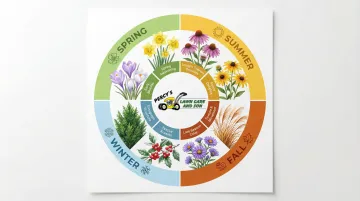
Getting this layered mix right from the start is where professional design guidance pays off — a planting plan built for Buffalo's winters will outlast anything pieced together at the garden center in May.
Front Yard Landscaping Ideas to Boost Curb Appeal
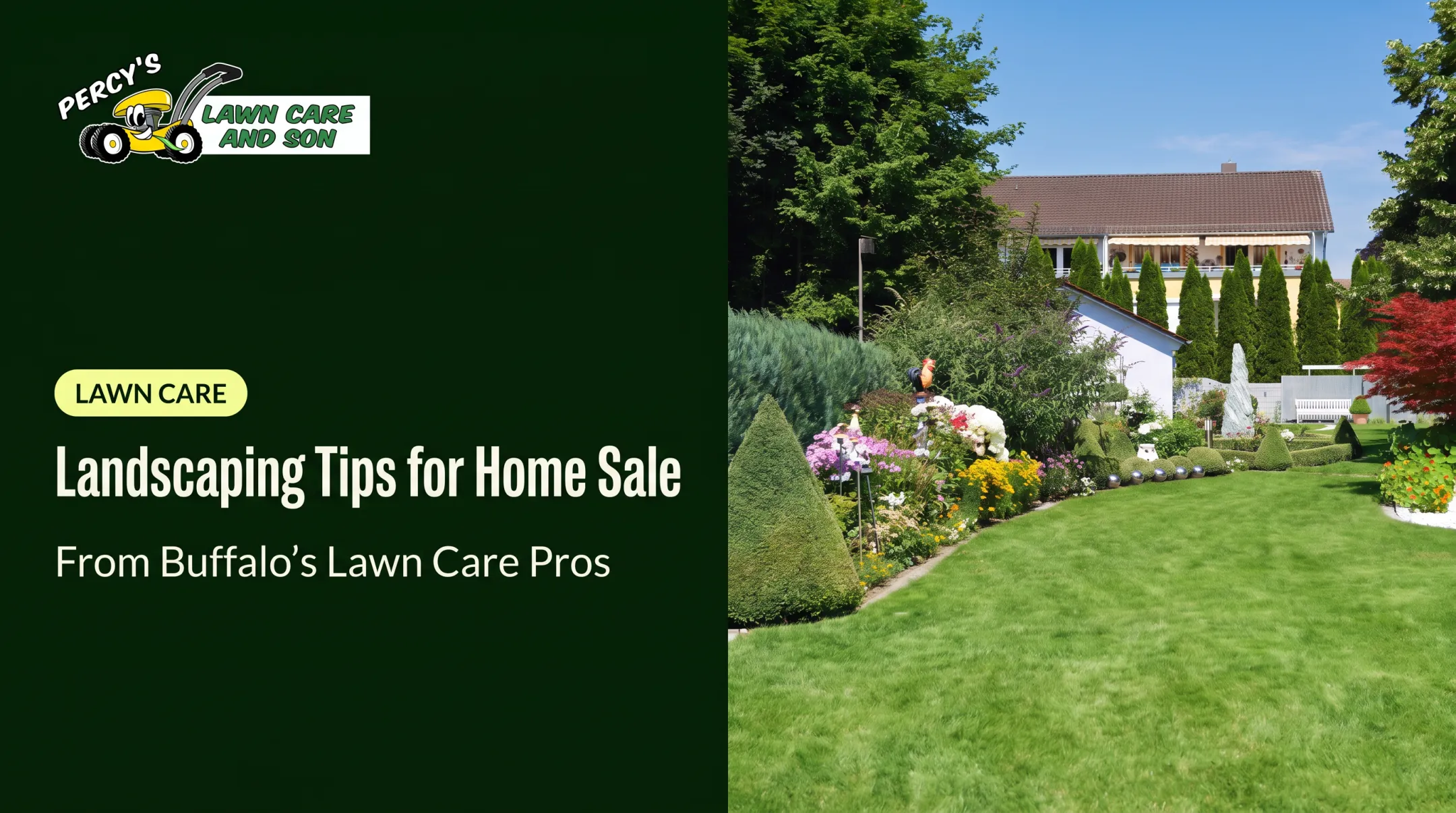
These actionable ideas work particularly well for the range of home styles found across Buffalo and its suburbs—from historic Linwood district Craftsman homes to newer builds in Amherst and Orchard Park. Mix ideas based on your home's architectural style.
Frame Your Entry
Flanking the front door with a pair of evergreen shrubs, tall grasses, or matched planters instantly elevates curb appeal. The entry point should draw the eye and create a welcoming focal point. This works even on small lots and makes a strong impression without a large budget.
Upgrade Walkways and Edging
Defined edging between lawn, flower beds, and walkways adds a clean, professional appearance that makes even modest plantings look intentional. Materials include:
- Brick or natural stone for cottage-style homes
- Metal edging for clean, modern lines
- Concrete pavers for contemporary homes
A freshly mulched, edged bed signals care and attention. 97% of real estate professionals believe curb appeal is important in attracting buyers, and sharp edging is one of the simplest ways to lift a property's street presence.
Add Flowering Shrubs and Perennial Beds
Perennials are the smartest plant choice for front yards. They come back every year, fill in larger over time, and deliver seasonal color without the annual replanting cost of annuals.
Mass planting tips:
- Plant in groups of three or more (odd numbers read as natural, not staged)
- Repeat one or two species across the bed to create visual cohesion
- Resist mixing too many varieties, which makes plantings feel scattered
Use Mulch Strategically
Fresh mulch applied annually suppresses weeds, retains moisture (reducing watering needs), and visually ties the whole landscape together, which matters most when plantings are still young and haven't filled in.
A 2–4 inch layer of mulch blocks sunlight and prevents weeds, making a 3-inch depth the most effective plant-friendly option.
Caution: Avoid dark-colored rock mulch, which absorbs excessive heat and can damage plants and soil in hot summer months.
Incorporate Hardscaping for Structure
Non-plant elements add visual structure and reduce lawn area requiring maintenance:
- Stone or paver walkways
- Decorative boulders or garden edging
- Simple split-rail fencing
Beyond style, well-placed hardscaping reduces the total area you need to mow, edge, and water each season.
Essential Design Principles for a Polished Look
Four core design principles separate yards that look "designed" from those that look random:
- Unity: Repeat the same plant species or hardscape material in multiple spots so every element feels intentional, not accidental.
- Scale: Match plant and feature sizes to your home's footprint. A massive tree overwhelms a small ranch; tiny shrubs disappear against a large colonial.
- Balance: Distribute visual weight evenly. A large tree on the left side of the yard calls for a shrub grouping on the right to offset it.
- Repetition: Using the same plant variety in multiple locations builds rhythm—vary heights or bloom colors within that species to keep things interesting.
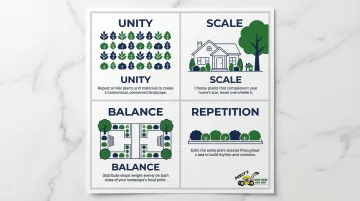
These principles cover the structure of a design. Applying them to your specific home requires two more practical decisions.
Match landscaping to home style. A sprawling cottage garden clashes with a sleek modern home. Manicured hedges and symmetrical beds look odd on a relaxed craftsman bungalow. Pull colors from the home's siding, shutters, or trim when selecting flowering plants.
Don't make foundation beds too narrow. Landscape beds should be 6-9 feet wide from the home to the farthest edge to allow proper layering of plants. Shallow, cramped beds force plants into overcrowded, unhealthy conditions and limit design options.
Low-Maintenance Landscaping Tips for Busy Homeowners
Reduce Lawn Grass Area
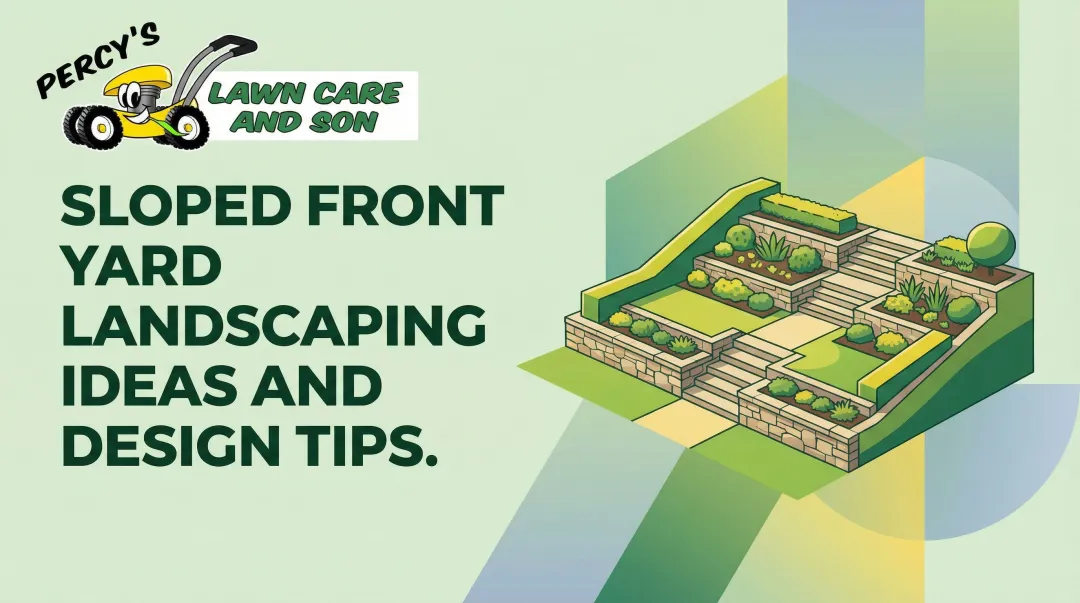
Less turf means less mowing, watering, and fertilizing. Ground covers like creeping phlox, mondo grass, or native sedge are attractive, low-effort alternatives in spots where lawn grass is hard to maintain — thin shade, steep slopes, or tight edges along driveways.
Skip Landscape Fabric
Despite the marketing, landscape fabric rarely delivers on its promise. Weeds arrive by air via birds and wind regardless of what's on the ground, and fabric eventually causes problems with appearance, weed control, and plant health.
A 3-inch layer of mulch is a more effective — and far simpler — weed deterrent. For new beds, the no-dig cardboard method kills existing weeds and grass within a season: lay plain corrugated cardboard, soak it thoroughly, then cover with mulch.
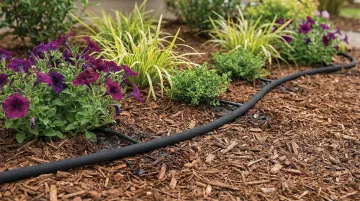
Use Drip Irrigation or Soaker Hoses
For perennial and shrub beds, drip irrigation or soaker hoses make a real difference. Microirrigation systems use 20–50% less water than conventional sprinklers and deliver water directly to root zones instead of spraying foliage. In Buffalo's unpredictable summers, that consistent moisture is what keeps establishment-year plants alive through dry stretches.
When to Call a Landscaping Professional
Some front yard challenges go beyond weekend DIY — here's when to bring in a pro:
Poor drainage and grading issues near the foundation. The International Residential Code requires grading to fall at least 6 inches within the first 10 feet away from the foundation. Attempting to DIY drainage corrections can worsen water damage to the home.
Soil conditions requiring extensive amendment. Heavy clay soils common in Erie County often need professional assessment and correction.
Major landscape redesigns or full front yard overhauls. Replanning beds, regrading slopes, and coordinating plantings at scale benefits from professional design and installation expertise.
Percy's Lawn Care and Son is the trusted local resource for Buffalo-area homeowners ready to transform their front yards. With over 25 years of hands-on experience across Buffalo, Amherst, Cheektowaga, West Seneca, and surrounding neighborhoods, we bring local climate expertise and a commitment to personal service—treating every property as our own. If your front yard project involves drainage concerns, heavy clay soil, or a full redesign, contact Percy's for a consultation — we know Buffalo properties inside and out. It's personal with Percy's.
Frequently Asked Questions
What are some good front yard landscape ideas?
A few ideas that make an immediate impact:
- Frame your entry with shrubs or container planters
- Add defined flower beds with layered perennials
- Upgrade walkway edging with brick or stone
- Add a focal point like a flowering tree or decorative boulder
How much does a fall cleanup usually cost?
Fall cleanup costs average $360, with most homeowners paying between $200 and $600 depending on property size and scope of work. Bundling cleanup with seasonal landscaping services often provides better value.
What is typically included in a fall clean up?
A standard fall cleanup covers leaf and debris removal, cutting back perennials, cleaning out garden beds, and applying mulch for winter insulation. These steps prepare your plants for Buffalo's cold season and set your yard up for a stronger spring.
How do I choose the right plants for my front yard in Buffalo, NY?
Start by confirming Zone 6b hardiness — plants that can't survive Buffalo winters aren't worth the investment. From there, prioritize native species for lower maintenance and verify that sun and soil requirements match your yard's actual conditions before buying.
What are the best low-maintenance front yard landscaping ideas?
Focus on perennial mass plantings that return yearly, replace turf grass with ground covers in difficult areas, maintain a thick 3-inch mulch layer to reduce weeds, and use defined edging to keep beds tidy with minimal effort.
How do I landscape my front yard on a budget?
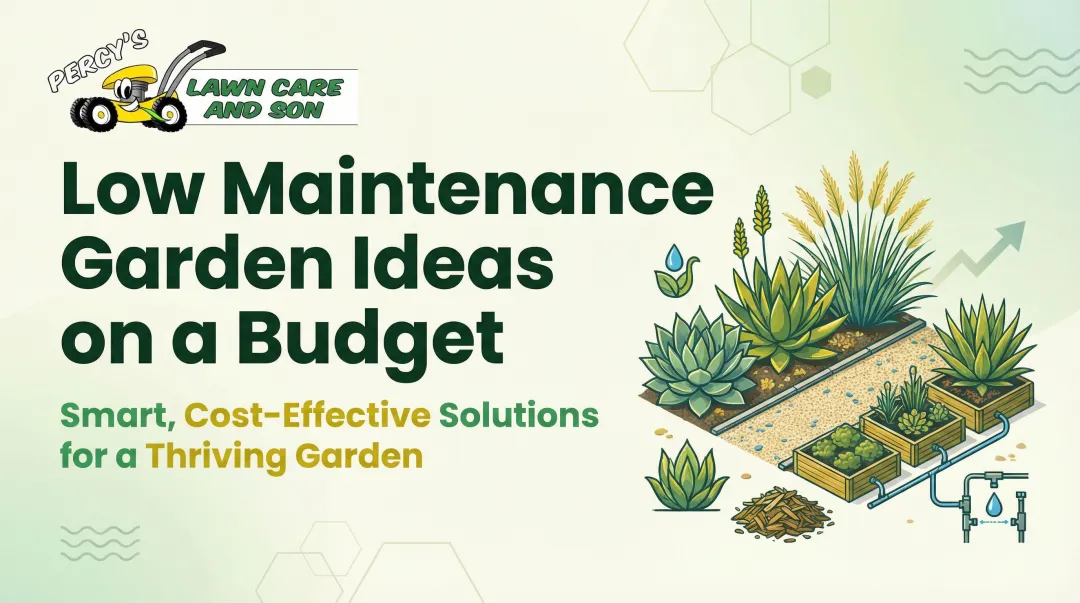
Install in phases (trees and shrubs first, perennials over time), choose fast-growing ground covers, buy plants in smaller sizes and let them establish, and focus your budget on highest-visibility areas near the entry first.