
Introduction
Picture two Buffalo-area gardeners next April. The first scrambles to break up compacted clay soil, hastily mixing in amendments while seedlings sit waiting in their trays. The second walks out to fluffy, nutrient-rich beds that are ready to plant the moment soil temperatures permit. The difference? A few focused hours the previous fall.
Fall is the ideal window for garden bed preparation because amendments need months, not days, to integrate. Soil microbial life processes organic matter most effectively when soil is still warm, and those beneficial microbes go dormant once temperatures drop below 41°F.
Western New York's freeze-thaw cycles naturally loosen compacted clay, break down organic matter, and improve drainage. These are benefits you can only capture by preparing beds before winter arrives.
Key Takeaways
- Biological window: Amendments break down over winter when added in fall, creating nutrient-rich soil by spring
- Prime timing: Mid-September through late October in Buffalo (Zone 6b) before ground freezes solid
- Core tasks: Clear debris, test soil, add 3–4 inches of compost, and mulch to protect over winter
- Biggest mistake: Leaving diseased plant material behind lets pathogens overwinter and resurface in spring
- Spring payoff: Less labor, fewer weeds, and stronger plant establishment when the growing season starts
Why Fall Is the Best Time to Prepare Your Garden Beds
The Biological Advantage
Fall offers a short but important window when beds are vacant after harvest but soil remains biologically active. Soil microbial activity drops significantly below 50°F and virtually ceases below 41°F. Amendments added in September or early October have weeks of active decomposition time before winter dormancy, whereas spring additions sit largely unprocessed when planting begins.
Beneficial microorganisms work most efficiently in warm soil. Compost spread in fall integrates thoroughly by spring, producing loose, nutrient-rich soil that roots can penetrate easily come planting time.
Freeze-Thaw Cycles Work in Your Favor
Western New York's winter freeze-thaw cycles naturally improve soil structure—especially valuable in Buffalo's heavy clay soils. Repeated freezing and thawing break up compacted layers and improve drainage, helping organic matter work into the soil without any extra digging on your part.
Timing Advantages for pH Adjustments
Agricultural lime requires 4-6 months to alter soil pH, making fall the only realistic application window for spring planting. Elemental sulfur can also go down in fall, though bacterial conversion to sulfuric acid won't kick in until soil warms above 55°F in spring. Either way, getting amendments in the ground now means they're ready to work when temperatures rise.
A few quick reminders on fall soil amendments:
- Test pH before applying lime or sulfur — don't guess
- Lime needs 4-6 months to take effect; fall is your only realistic window
- Sulfur activates in spring once soil hits 55°F, so fall application still makes sense
- Keep application rates based on your soil test results, not package maximums
Less Competition for Your Time
Beyond soil chemistry, there's a practical reason fall prep works better: you actually have time for it. Spring pulls you in every direction — transplanting, watering, pest checks, and harvests all compete for the same few weekends. Fall bed prep gets done properly instead of being squeezed between everything else.
How to Prepare Garden Beds in Fall: Step-by-Step
Clear Out Spent Plants and Debris
Remove all plant material with one critical distinction:
- Healthy debris: Compost spent annuals, vegetable stalks, and clean foliage
- Diseased material: Bag and dispose of anything showing signs of fungal spots, blight, or bacterial infection
Fungal pathogens like Septoria leaf spot and early blight overwinter successfully in plant debris. Home compost piles rarely sustain the 131°F+ temperatures required to kill these pathogens, so infected material must leave your property entirely.
Additional clearing tasks:
- Deadhead spent flowers before they drop seed
- Pull any plants that have gone to seed to prevent volunteer weeds next spring
- Remove stakes, trellises, and labels for cleaning and storage
If you're managing multiple beds or a larger landscaped property in the Buffalo area, Percy's Lawn Care and Son handles debris removal, plant clearing, and full bed preparation as part of their fall cleanup services.
Test Your Soil Before Adding Anything
Once the beds are cleared, test before you add anything. Results only reflect your soil's true condition before amendments go in — spread compost first and the data loses its planning value.
What a soil test reveals:
- Current pH level (critical for nutrient availability)
- Macronutrient levels (phosphorus, potassium, calcium, magnesium)
- Organic matter percentage
- Cation exchange capacity (CEC)
Local testing resources in Erie County:
Cornell Cooperative Extension offers basic pH screening for $3 per sample through Master Gardener volunteers. For comprehensive nutrient analysis, submit samples to Dairy One/Agro-One—results arrive via email in 2-3 weeks with crop-specific recommendations.
Add Compost and Organic Amendments
Standard compost application:
- Spread 3-4 inches of finished compost across the bed surface
- Use a broadfork or garden fork to gently work it into the top 4-6 inches
- Avoid full inversion to preserve existing soil structure and microbial networks
Alternative organic amendments:
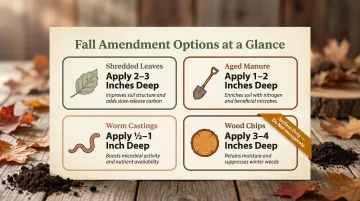
| Amendment | Application Method | Soil Benefits |
|---|---|---|
| Shredded leaves | 2-3 inch layer, incorporate lightly | Breaks down quickly; improves structure |
| Aged manure | 1-inch layer, work into soil | Adds nitrogen and organic matter |
| Worm castings | ½-inch layer on surface | Neutral pH; improves water retention |
| Wood chips | 2-inch surface layer only | Mulch use only—do NOT incorporate |
Two additional amendments work especially well when applied in fall:
- Fresh manure: Fall is the right window for fresh manure — USDA organic standards require 90-120 days between application and harvest, and ammonia and pathogens dissipate over winter, leaving stabilized organic matter available when roots start growing.
- Slow-release fertilizers: Blood meal, bone meal, and kelp meal can go in now. Because nutrient release is temperature-dependent, they'll begin mineralizing in spring exactly when roots need them.
Mulch the Bed for Winter Protection
After amendments are incorporated, apply 2-3 inches of shredded leaves or straw. Winter mulch provides multiple benefits:
- Insulates soil from extreme temperature swings
- Retains moisture through winter months
- Suppresses early spring weed germination
- Protects soil structure from erosion during rain and snowmelt
- Prevents surface crusting from freeze-thaw cycles
Avoid mulch depths exceeding 4 inches—excessive layers restrict oxygen and water movement to the soil.
When During Fall Should You Start — and When Is It Too Late?
The Ideal Starting Point
Begin fall bed prep after the last significant harvest and the first killing frost, when the growing season is over but soil temperature remains above 40°F. Below this threshold, microbial activity becomes negligible.
Regional Context for Buffalo, NY
Buffalo (Zone 6b) experiences its first 32°F freeze around October 26, with hard freezes (28°F) typically arriving by November 6. The prime bed prep window runs from mid-September through late October—after summer crops finish but before soil freezes solid.
Cover Crop Considerations
If you plan to sow cover crops instead of applying amendments, timing is tighter:
| Cover Crop | Planting Window | Seeding Rate |
|---|---|---|
| Crimson clover | Mid-August to mid-September | 20-25 lbs/acre |
| Annual ryegrass | Mid-August to mid-October | 25 lbs/acre |
| Cereal rye | Mid-September to November | 60-150 lbs/acre |
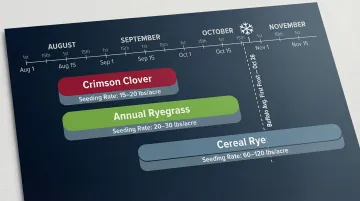
Cereal rye offers the most flexibility for late planting in cold climates, germinating in cool soils and providing erosion control through winter.
When It's Too Late
Keep these deadlines in mind as you work through the timing windows above. Once soil has frozen solid, you can't work amendments into the ground. Anything spread on frozen ground either washes away or sits on the surface without integrating. In the Buffalo area, aim to complete all major bed prep by early-to-mid November at the latest.
Fall Garden Bed Mistakes That Hurt Spring Results
Leaving Diseased Plant Material
One mistake with outsized consequences: allowing infected debris to overwinter in or near beds. Fungal spores, bacterial pathogens, and pest eggs survive winter temperatures, re-infecting next season's crops before they establish. Bag and remove any material showing spots, lesions, wilting, or unusual discoloration.
Working Wet Soil
Tilling or digging when soil is too wet destroys soil aggregates, creating clumps that dry into concrete-hard chunks and restricting root growth.
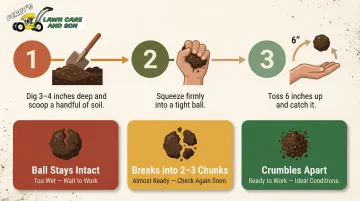
The squeeze test:
- Dig 3-4 inches into the bed
- Squeeze a handful of soil firmly into a ball
- Toss the ball 6 inches up and catch it
- Ball stays intact → too wet; wait several days before working the bed
- Ball breaks into 2-3 chunks → close, but give it another day or two
- Ball crumbles apart → soil is ready to work
Guessing at Amendments Without Testing
Adding excessive lime, fertilizer, or manure without testing creates nutrient imbalances or pH extremes that are difficult to correct. A $15 soil test prevents months of stunted growth. Most cooperative extension offices process results within a week — enough time to amend properly before the ground freezes in the Buffalo area.
Best Practices for an Easy Spring Planting Season
Establish Permanent Beds
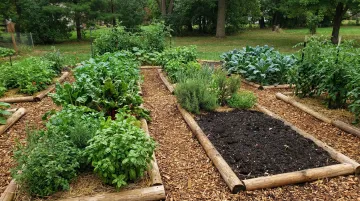
Design your garden layout once, then maintain it year after year. Permanent beds with defined paths reduce spring prep to surface amendment and light weeding—not a full soil overhaul. No-till approaches preserve beneficial arbuscular mycorrhizal fungi (AMF) networks that facilitate nutrient and water uptake, and conservation tillage increases soil fungal biomass by up to 31% compared to conventional tilling.
Take Detailed Notes Now
Those permanent beds become more productive every year — but only if you track what happens in them. Record what worked, what failed, disease or pest issues encountered, and crop rotation plans while observations are fresh. Come February, those notes turn seed catalog browsing into confident decisions.
Document:
- Which varieties performed well in your microclimate
- Where disease or pest pressure was highest
- Soil amendments applied and results observed
- Succession planting schedules that worked
Maintain Year-Round Mulch
Continuous mulch coverage—in both fall and winter—dramatically reduces spring weed pressure. Research shows tarping and mulching reduce weed emergence by 66–80% compared to bare soil. That translates directly to more planting time and less weeding when spring arrives.
Frequently Asked Questions
How to prep a garden bed in fall?
Clear all spent plants and debris, removing diseased material entirely. Conduct a soil test, then add 3-4 inches of finished compost worked lightly into the top few inches. Apply optional amendments based on test results, and finish with 2-3 inches of protective mulch before the ground freezes.
When is it too late to prepare garden beds in fall?
Once the ground has frozen solid, amendment incorporation is no longer possible. In Buffalo-area climates (Zone 6b), aim to complete all major bed prep tasks by early-to-mid November at the latest, before soil temperatures drop below 40°F and microbial activity ceases.
Should I till my garden bed in fall?
Light incorporation of compost with a fork is beneficial, but deep tilling disrupts beneficial soil fungal networks and brings dormant weed seeds to the surface. Stick to minimal disturbance—work amendments into the top 4-6 inches without full inversion.
Can I add fresh manure to garden beds in fall?
Fall is the right time for fresh manure, unlike spring. Ammonia and pathogens dissipate over winter, leaving rich organic matter ready by planting time. Apply a 1-inch layer and lightly work it in before the ground freezes.
What should I put on garden beds in fall to improve soil?
Top amendments include finished compost (3-4 inches), shredded leaves (2-3 inches), aged manure (1 inch), worm castings (½ inch), and slow-release organic fertilizers like blood meal or bone meal. Layer and lightly incorporate for best results—avoid deep tilling.
What happens if I don't prepare my garden beds in fall?
Skipping fall prep means depleted nutrients, compacted soil, and heavier weed pressure greet you in spring. You're forced to rush soil work during the busiest planting time, often resulting in slower plant establishment, weaker yields, and more time spent fighting weeds instead of harvesting.